
Photographer

Photographer
Photographer
Or take the puritan custom of marking people supposedly guilty of adultery with a red letter A, which was much easier to identify when it came to women because of them giving birth. The custom provide the basis for the famous novel The Scarlet Letter by Nathaniel Hawthorne.

Being a feminist and an artists, I often think about the way the art history reflects the history of women as a part of society. This photoshoot was heavily inspired by the book Red: The History of a Color written by Michel Pastoureau and my own analysis of various sources and pop-culture references around the interplay of the role of women in society and the color red.

Menstruation also brings the color red to mind. The purely biological process rooted in the praised ability of women to give birth is still pronounced "dirty" in some cultures. The taboo around menstruation cycle prevents many women from getting the healthcare counsel that they need.
Production: Me & Veronika Komarova

Red was meant to shame women in the past. For instance, throughout centuries sex workers in some countries were obliged to wear red clothes in order to be distinguished form so-called "decent" women.
However, today red is a symbol of female power and strength. Wearing red clothing or lipstick, women show that they no longer want to be small and humble.
Red is the passion that we allow ourselves to have within us, be it love to another human, craft, cause, or career path. As it often happens to a means of oppression, what was used to shame a minority becomes its way to demonstrate discovered mightiness and bravery.
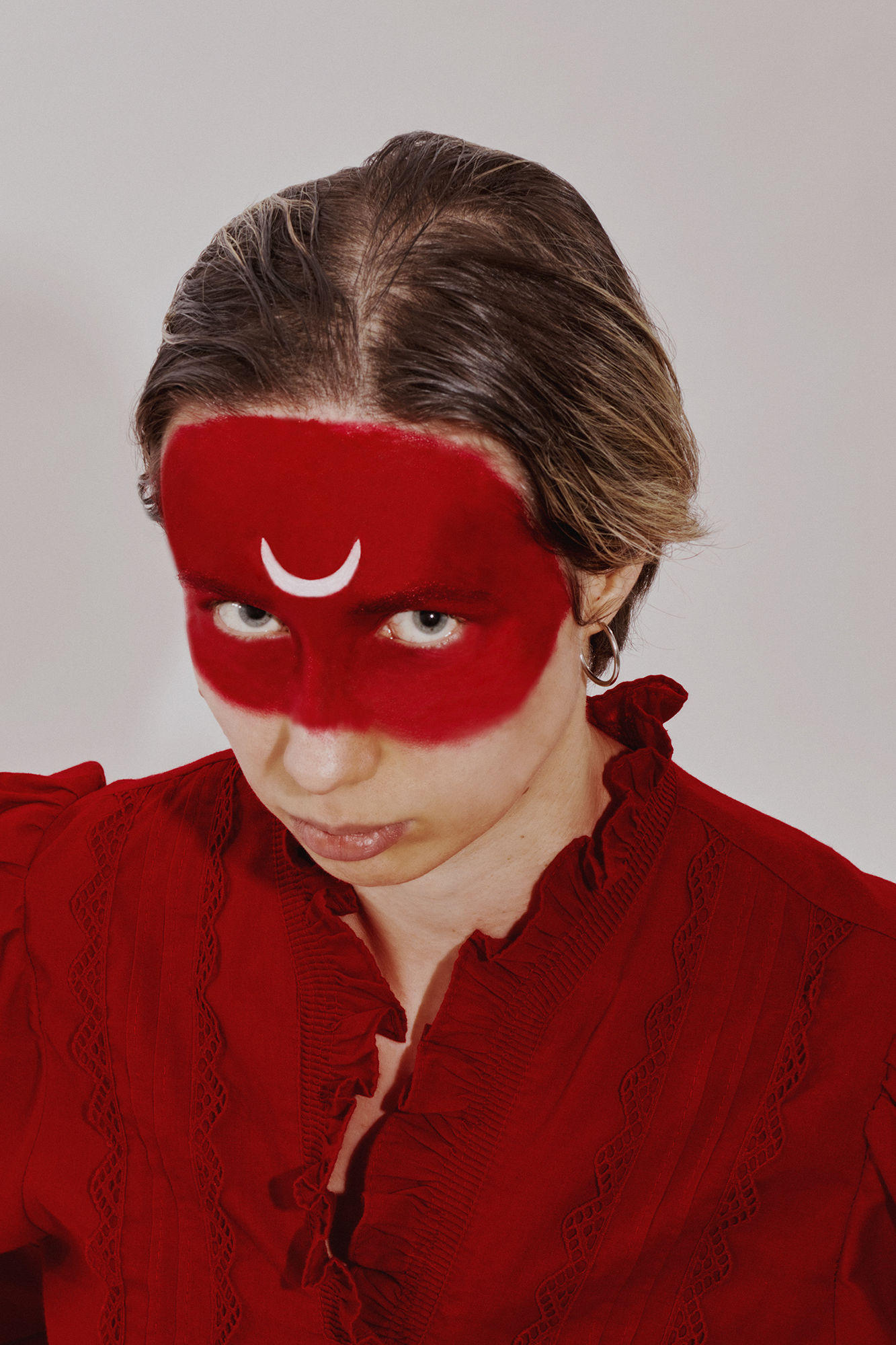
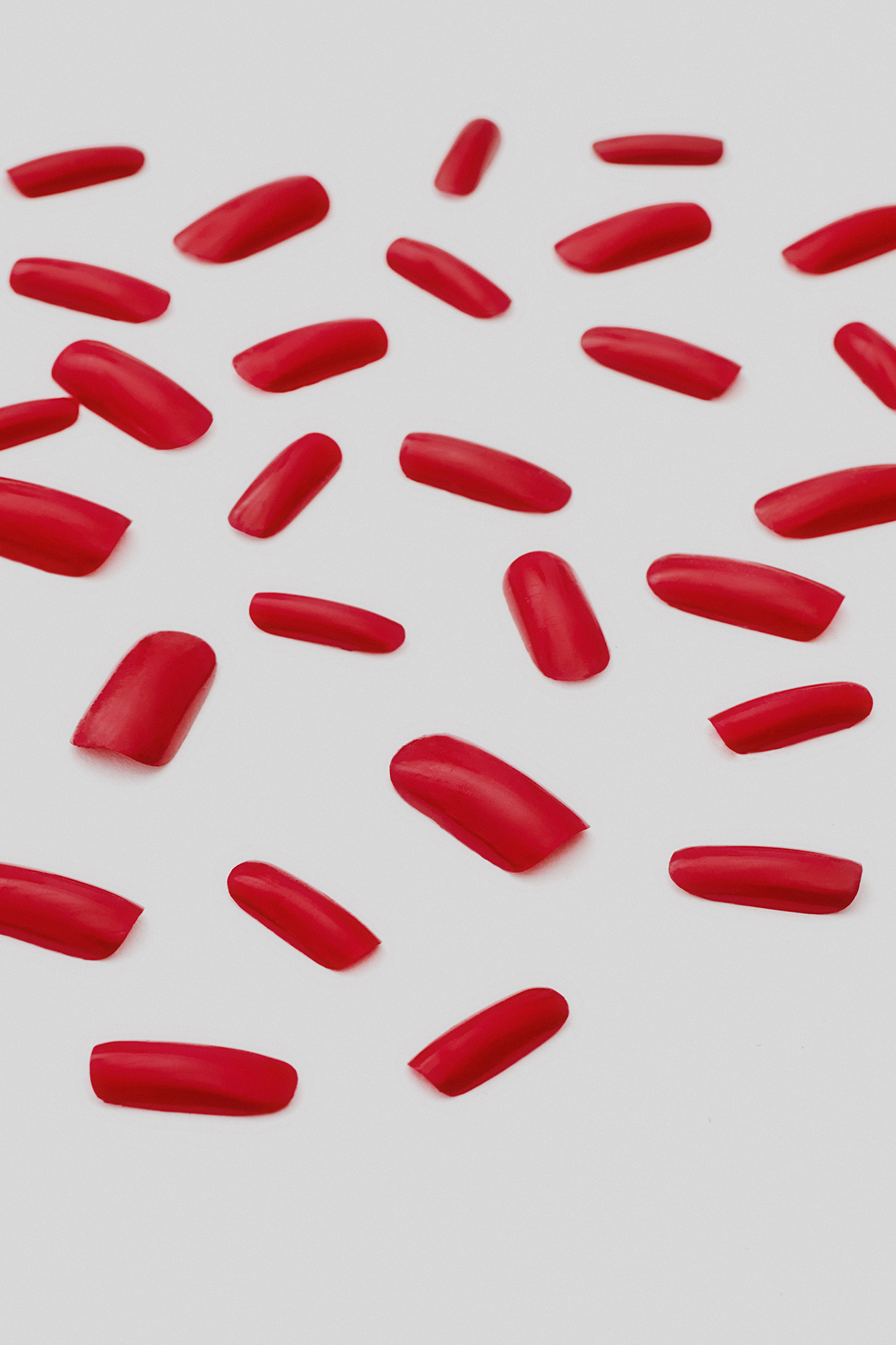
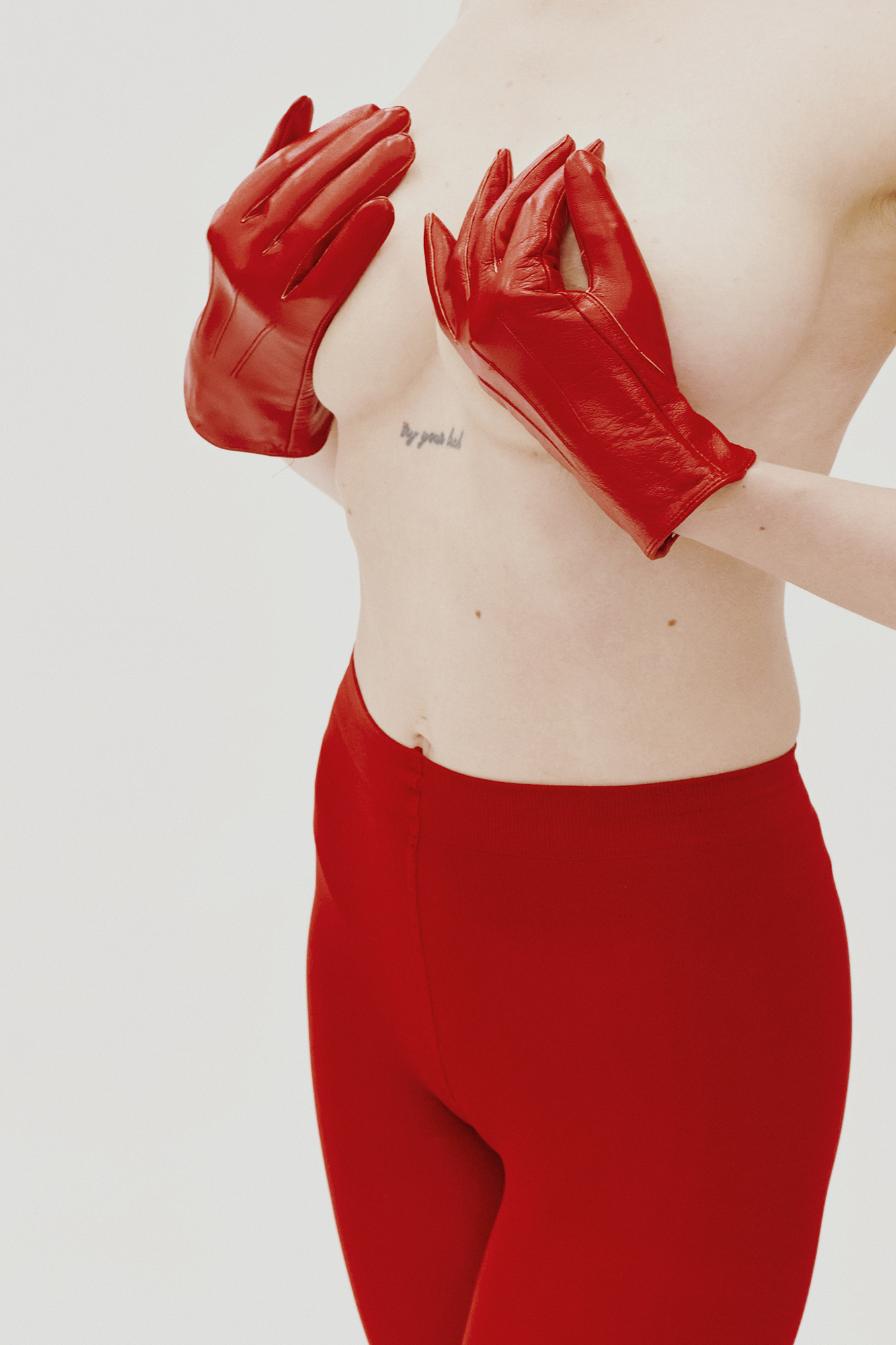
Red used to be my favourite colour when I was a kid. Later, for a few years, I grew to shy away from wearing it due to the societal pressure which imposed the idea that I should be more modest and agreeable on me. When I discovered myself as a feminist, though, I turned back to my favourite colour red with no shame or doubt.



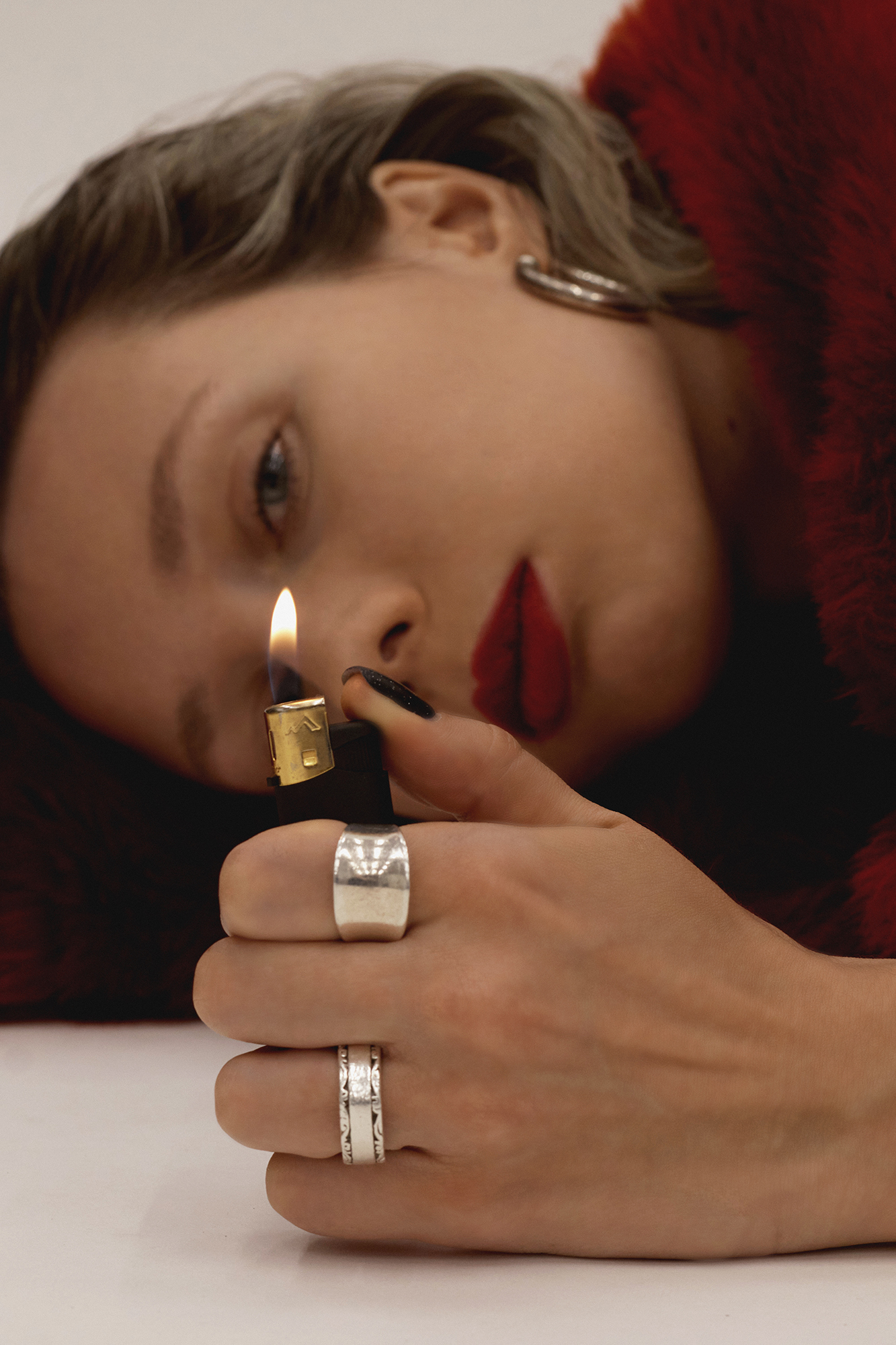
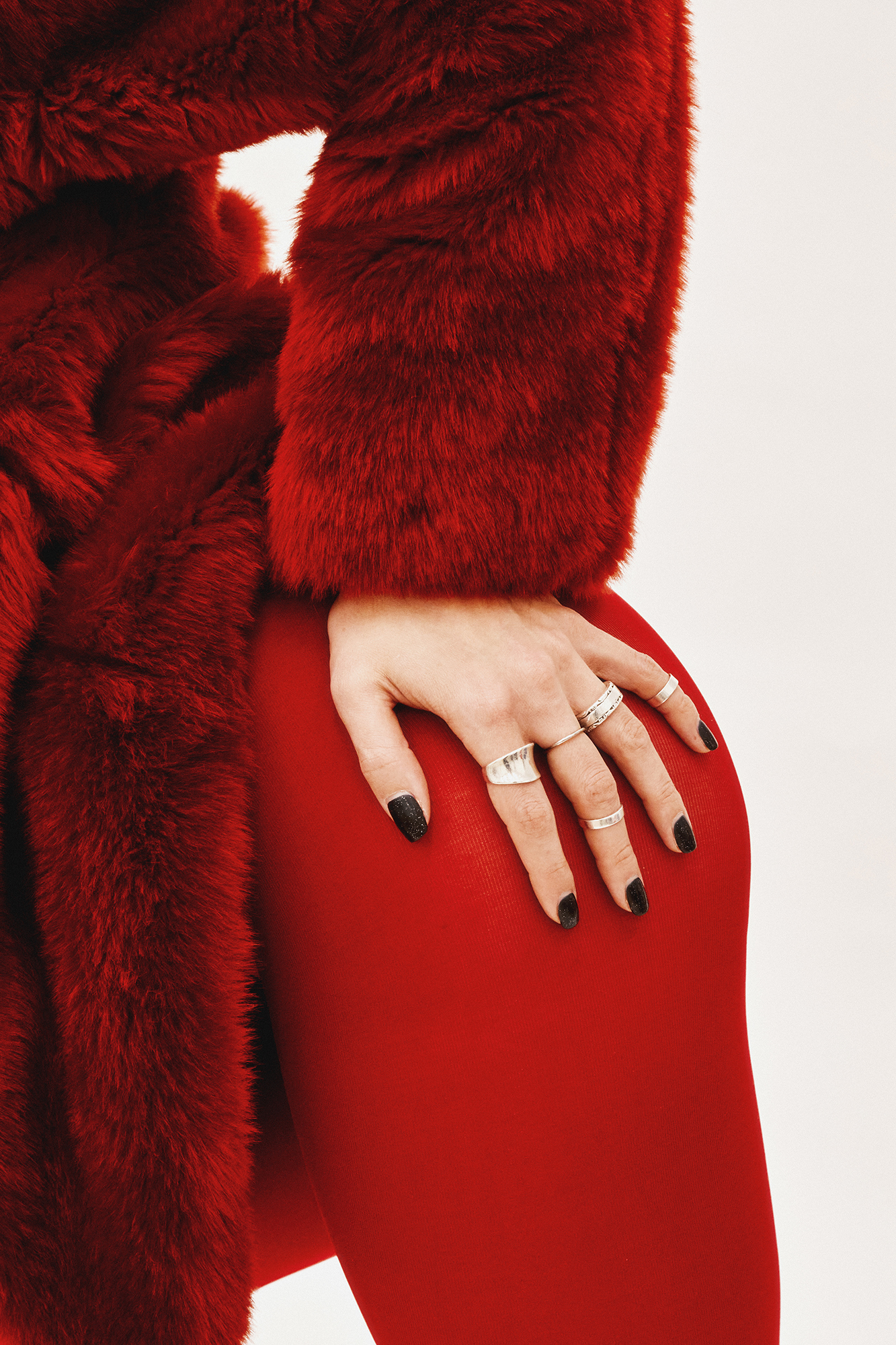

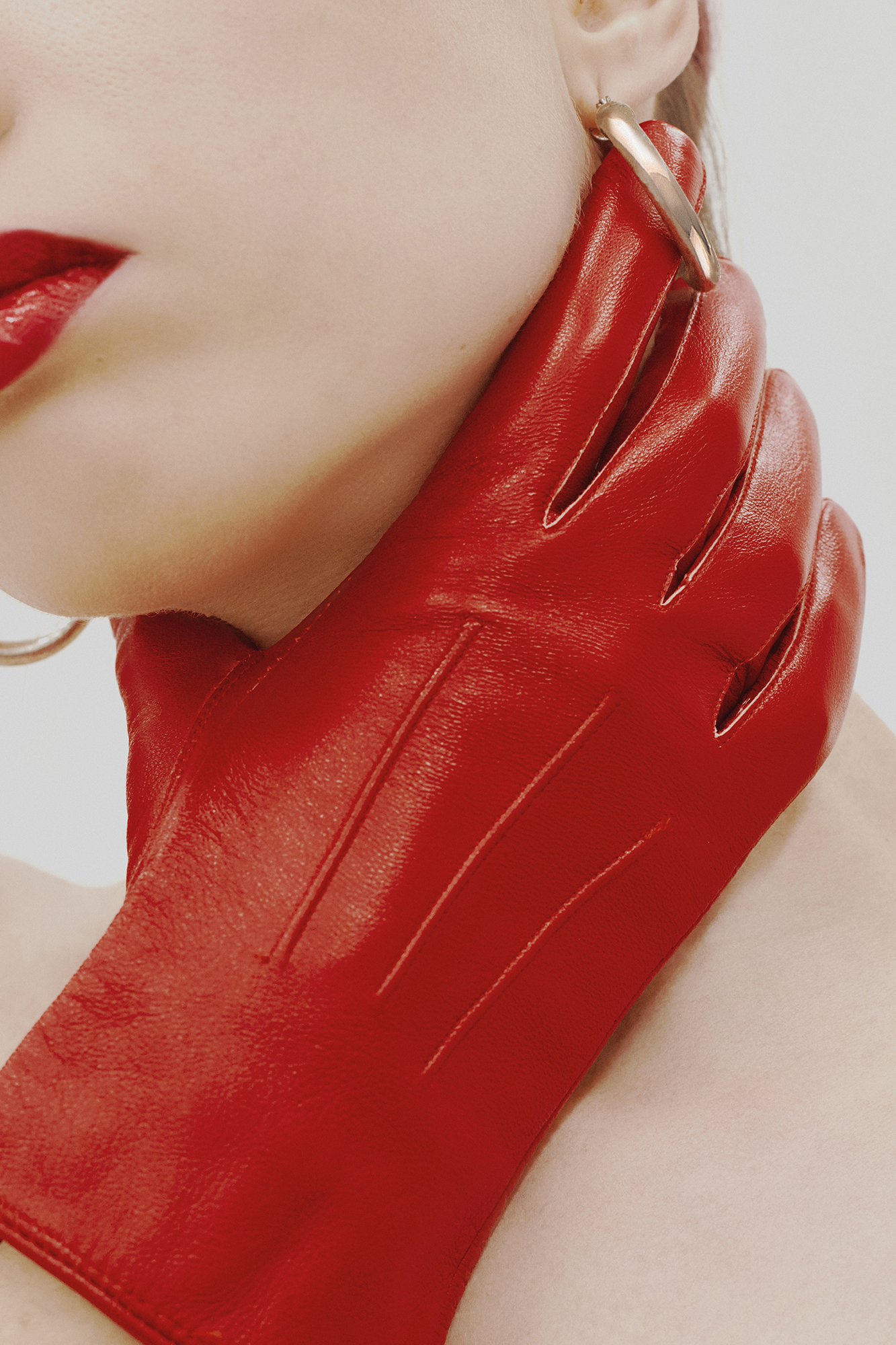

These photographs are the result of a couple of months work that included research, gathering the clothing, and sketching the photoscript. It took two days in the studio to complete it.
Model: Veronika Komarova
Styling: My own
Or take the puritan custom of marking people supposedly guilty of adultery with a red letter A, which was much easier to identify when it came to women because of them giving birth. The custom provide the basis for the famous novel The Scarlet Letter by Nathaniel Hawthorne.
Being a feminist and an artists, I often think about the way the art history reflects the history of women as a part of society. This photoshoot was heavily inspired by the book Red: The History of a Color written by Michel Pastoureau and my own analysis of various sources and pop-culture references around the interplay of the role of women in society and the color red.
Menstruation also brings the color red to mind. The purely biological process rooted in the praised ability of women to give birth is still pronounced "dirty" in some cultures. The taboo around menstruation cycle prevents many women from getting the healthcare counsel that they need.
Production: Me & Veronika Komarova
Red was meant to shame women in the past. For instance, throughout centuries sex workers in some countries were obliged to wear red clothes in order to be distinguished form so-called "decent" women.
However, today red is a symbol of female power and strength. Wearing red clothing or lipstick, women show that they no longer want to be small and humble.
Red is the passion that we allow ourselves to have within us, be it love to another human, craft, cause, or career path. As it often happens to a means of oppression, what was used to shame a minority becomes its way to demonstrate discovered mightiness and bravery.
Red used to be my favourite colour when I was a kid. Later, for a few years, I grew to shy away from wearing it due to the societal pressure which imposed the idea that I should be more modest and agreeable on me. When I discovered myself as a feminist, though, I turned back to my favourite colour red with no shame or doubt.
These photographs are the result of a couple of months work that included research, gathering the clothing, and sketching the photoscript. It took two days in the studio to complete it.
Model: Veronika Komarova
Styling: My own
Or take the puritan custom of marking people supposedly guilty of adultery with a red letter A, which was much easier to identify when it came to women because of them giving birth. The custom provide the basis for the famous novel The Scarlet Letter by Nathaniel Hawthorne.

Being a feminist and an artists, I often think about the way the art history reflects the history of women as a part of society. This photoshoot was heavily inspired by the book Red: The History of a Color written by Michel Pastoureau and my own analysis of various sources and pop-culture references around the interplay of the role of women in society and the color red.
Menstruation also brings the color red to mind. The purely biological process rooted in the praised ability of women to give birth is still pronounced "dirty" in some cultures. The taboo around menstruation cycle prevents many women from getting the healthcare counsel that they need.
Production: Me & Veronika Komarova
Red was meant to shame women in the past. For instance, throughout centuries sex workers in some countries were obliged to wear red clothes in order to be distinguished form so-called "decent" women.
However, today red is a symbol of female power and strength. Wearing red clothing or lipstick, women show that they no longer want to be small and humble.
Red is the passion that we allow ourselves to have within us, be it love to another human, craft, cause, or career path. As it often happens to a means of oppression, what was used to shame a minority becomes its way to demonstrate discovered mightiness and bravery.
Red used to be my favourite colour when I was a kid. Later, for a few years, I grew to shy away from wearing it due to the societal pressure which imposed the idea that I should be more modest and agreeable on me. When I discovered myself as a feminist, though, I turned back to my favourite colour red with no shame or doubt.
These photographs are the result of a couple of months work that included research, gathering the clothing, and sketching the photoscript. It took two days in the studio to complete it.
Model: Veronika Komarova
Styling: My own
